
New Zealand Immigration 2026: New English Language Rules and What Indian Applicants Need to Know

Written by: Abhishek Chatterjee
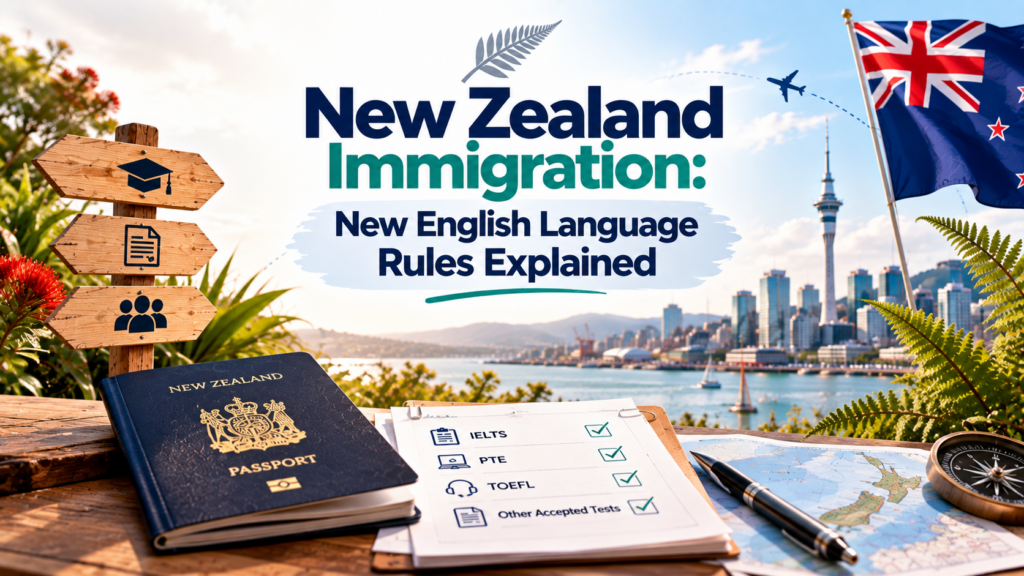
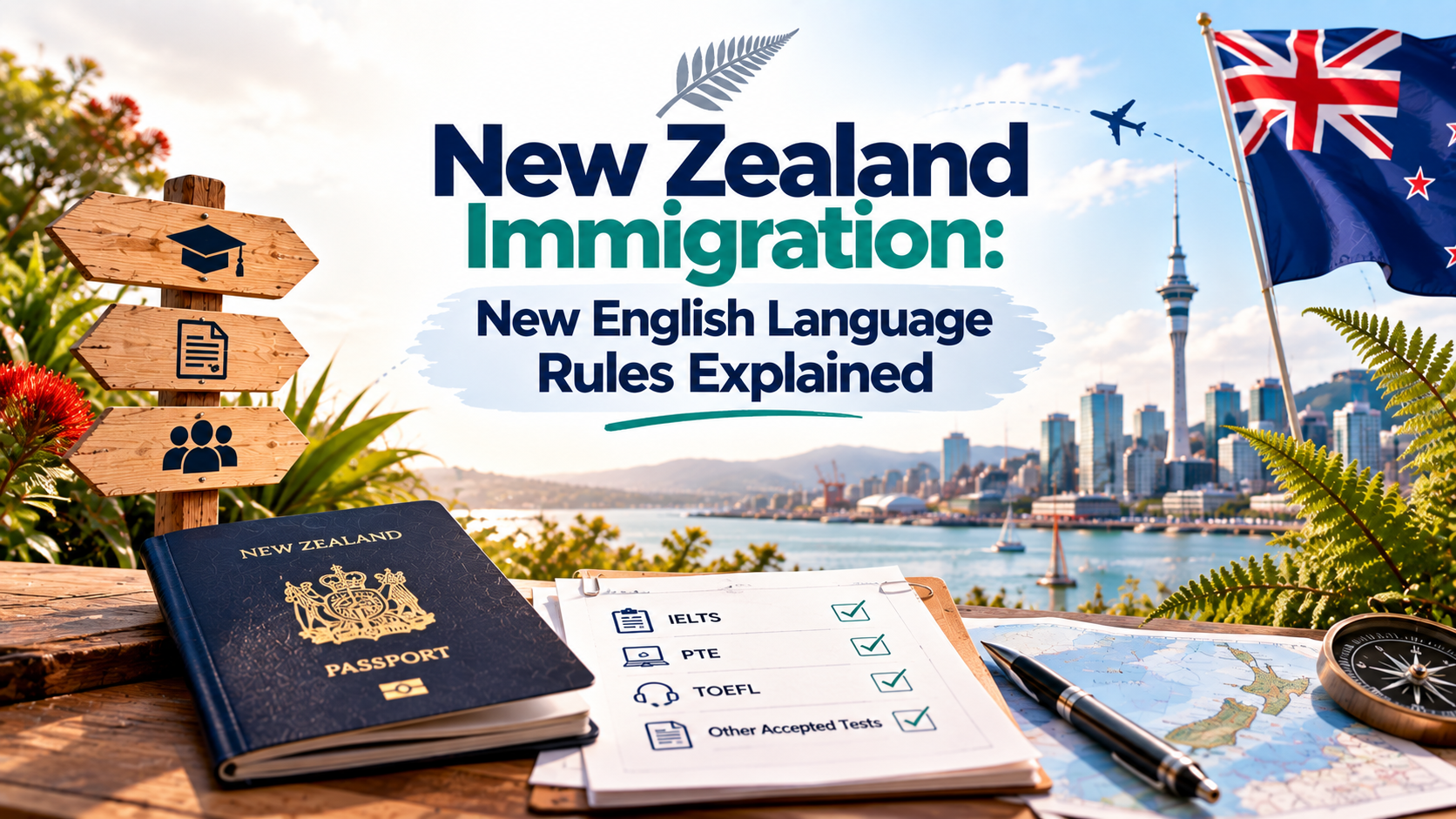
New Zealand has made several immigration changes in 2026, and English-language requirements are part of that wider update. Some changes affect people applying for residence. Others affect temporary workers, including certain applicants for the Accredited Employer Work Visa (AEWV).
For Indian applicants, there is another important point to watch. English is only one part of the application. Your education, occupation, work experience and supporting documents also need to line up with the immigration pathway you choose. And this is where your academic transcript can become surprisingly important. Let’s look at what has actually changed, what has not, and what Indian professionals should prepare before applying.
What Has Changed in New Zealand Immigration in 2026?
There are two English-related developments worth knowing about.
First, from 1 June 2026, New Zealand extended minimum English-language requirements to applicants for an Accredited Employer Work Visa working in ANZSCO or NOL skill-level 3 occupations. Previously, this English requirement applied to skill-level 4 and 5 AEWV occupations. Certain seasonal visas and some job-change applications are excluded.
Second, from 13 July 2026, applicants using the Occupational English Test (OET) for New Zealand immigration must take all parts of the test in person at a supervised test centre. OET@Home is not accepted for Immigration New Zealand purposes.
This second change is particularly relevant to healthcare professionals, because OET is commonly used by people working in the health sector. So, it is important not to read the update as “New Zealand has suddenly increased the English score for everyone.” The changes are more specific than that.
What English Score Do Skilled Residence Applicants Need?
For skilled residence pathways, including the Skilled Migrant Category Resident Visa, Straight to Residence and Work to Residence, applicants need to show that they can speak and understand English. For a principal applicant using a test, the current minimum scores include:
- IELTS: overall 6.5
- TOEFL iBT: 79
- PTE Academic: 58
- B2 First: 176
- OET: Grade C+ or higher in all four skills
Test results generally need to be no more than two years old when the application is submitted. Immigration New Zealand also states that English tests used for these residence applications must be taken in person at a test centre. There are also circumstances where English can be demonstrated through citizenship, previous study or work in certain English-speaking countries. So applicants should check the evidence rules rather than automatically booking a test.
Why Indian Applicants Should Pay Attention
For many Indians, the immediate focus is usually IELTS or PTE. That makes sense, but there is another part of the application that should not be pushed to the last minute: proof of education. New Zealand’s skilled immigration system looks at qualifications alongside employment, occupation, registration and other requirements.
The Skilled Migrant Category now has three pathways:
- Points-based pathway
- Skilled Work Experience pathway
- Trades and Technician pathway
The SMC remains New Zealand’s main skilled residence route. For someone applying from India, the right pathway can depend heavily on their occupation and qualifications. That means your university transcript is not simply another document sitting in your folder. It can help validate the education you are relying on in your immigration application.
New Skilled Migrant Pathways Also Matter in 2026
One of the bigger developments this year is the introduction of two new SMC pathways from 24 August 2026: the Skilled Work Experience pathway and the Trades and Technician pathway. The Skilled Work Experience pathway is aimed at people with substantial relevant experience. The Trades and Technician pathway is designed for eligible practical and technical occupations.
For Indian applicants, this may create another route to New Zealand residence where their occupation, qualification and experience fit the requirements. The Trades and Technician pathway, for example, requires an eligible occupation, a relevant Level 4 or higher qualification and the required post-qualification work experience, including skilled work experience in New Zealand. This is particularly relevant for applicants from technical, construction, engineering, manufacturing and related backgrounds.
Your Academic Transcript Is Part of the Evidence
This is where document preparation becomes important. For the updated SMC settings, Immigration New Zealand has clarified qualification evidence requirements. For a bachelor’s degree, The proof of education includes the qualification certificate and academic transcript. Overseas qualifications will generally need an International Qualification Assessment (IQA) unless they are covered by the List of Qualifications Exempt from Assessment.
For the Trades and Technician pathway, applicants with an overseas qualification may need to provide the qualification certificate and an IQA from NZQA. So, if you are planning to use your Indian education as part of your immigration case, don’t wait until the final stage to think about your university transcript.
Why Start Your Transcript Process Early?
Imagine receiving a job offer or reaching the point where you are ready to submit a residence application, only to discover that your old university needs several weeks to process your transcripts request. You may then need to:
- Request academic transcript
- Coordinate with university
- Submit documents
- Pay transcript fees
- Obtain an IQA where required
- Get the official transcripts dispatched to the appropriate authority
This is why applicants should consider their official transcripts early in the process. If you need to apply for transcript records from an Indian university, check the university’s current procedure first. Where the process is complicated or requires coordination, a specialist transcript agency or transcript service provider can assist.
Worldwide Transcripts supports applicants with transcript procurement and academic document processing from Indian universities, including electronic transcript services where available.
What Indian Applicants Should Prepare
If New Zealand is part of your immigration plan, it makes sense to look at the application as a complete package rather than treating English as the only requirement. Start by checking:
- Your occupation and its immigration pathway
- Whether you need an English test
- Whether your English test must be taken in person
- Your qualification requirements
- Whether an IQA is required
- Your university transcript requirements
- Employment and work-experience evidence
- Registration requirements, if applicable
- Documents for your partner or dependants
The goal is simple: make your documents ready before the opportunity becomes urgent.
Author

Why Choose Worldwide Transcripts?
Conclusion
New Zealand’s 2026 immigration changes are not simply about raising English requirements. They show a wider shift towards clearer evidence, skilled employment and properly supported applications. English remains important, but so do your qualifications, work experience and proof of education.
For Indian applicants, that makes early document preparation especially useful. Your IELTS or PTE result may prove your language ability. Your official university transcript helps establish your academic background. Together with verified employment and other supporting records, these documents form the evidence behind your immigration application.
If you are considering New Zealand PR, a work visa or a skilled residence pathway, don’t leave your transcript until the last step. Check the requirement early, find out whether an electronic transcript is available from your university, and arrange the appropriate official records well ahead of your application.
Contact Details
Website: Worldwide Transcript
Address: E/141, 1st Floor, Sec-1, Avanti Vihar, Raipur, Chhattisgarh- 492001.
Phone No: +91 8817 353 627