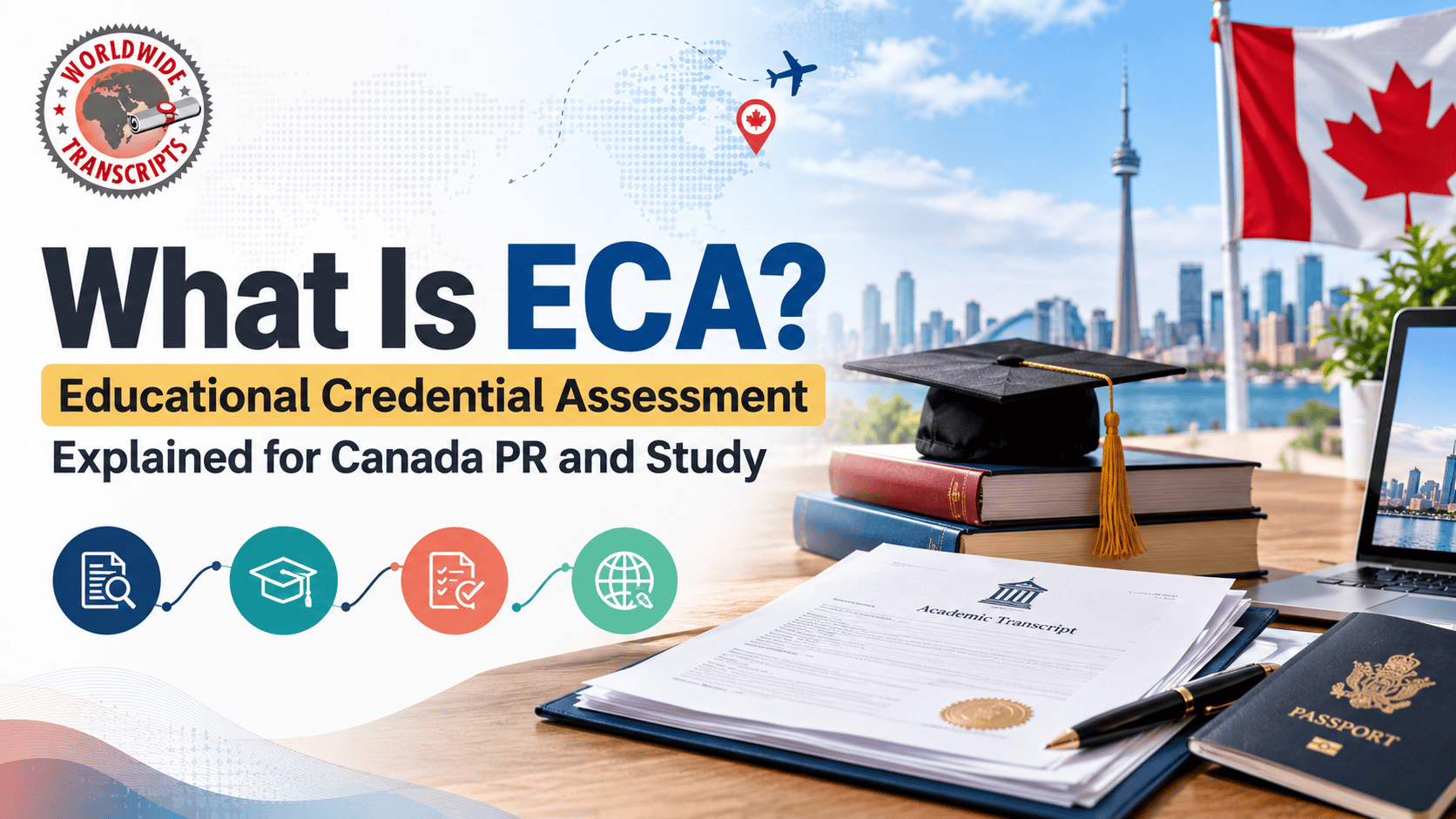
Canada’s 2026-2028 Immigration Plan: What It Really Means for Indians Planning to Move
Written by: Abhishek Chatterjee
If Canada is on your long-term plan, this one matters. A lot, Canada has officially laid out its immigration roadmap for 2026 to 2028. And while policy documents can feel heavy and confusing, the idea behind this plan is actually pretty simple. Canada still needs people. Skilled people. Students. Workers. Families. But the way Canada plans to invite them is changing.
So let’s break this down without the jargon. Just what you need to know, and why it matters if you’re an Indian student or professional planning your next move.
Why Canada Plans Immigration Years in Advance
First, a quick reality check. Canada doesn’t wake up one fine morning and decide how many people to invite. Immigration targets are planned years ahead so provinces, employers, and public services can prepare.
Between 2026 and 2028, Canada is focusing on:
- Filling labour shortages
- Supporting an ageing population
- Balancing permanent residents and temporary migrants
- Making sure immigrants actually settle and stay
This plan isn’t about “more people at any cost.” It’s about the right people, in the right sectors, at the right time.
Big Picture: What’s Changing in 2026-2028
A few years ago, express entry felt like a simple points race. Higher CRS meant better chances. That’s no longer the full picture. Immigration, Refugees and Citizenship Canada has clearly moved toward category-based draws, and that direction is expected to continue through 2026-2028. Compared to earlier years, Canada’s approach is more targeted now. Here’s what stands out:
- Fewer random draws, more category-based selection
- Strong preference for in-Canada candidates
- Higher focus on jobs, skills, and regional needs
- Tighter checks on documentation and verification
In short, Canada wants immigrants who can plug into the economy faster. That’s especially relevant for Indian applicants with strong education and work experience.
Skilled Workers Still Lead the Way Via Express Entry
If you’re a working professional, this is still your strongest route. Programs under Express Entry will continue, but with sharper filters. Canada is prioritising profiles with:
- Healthcare experience
- STEM and tech skills
- Trades and construction backgrounds
- Education and early childhood care
- Transport and logistics roles
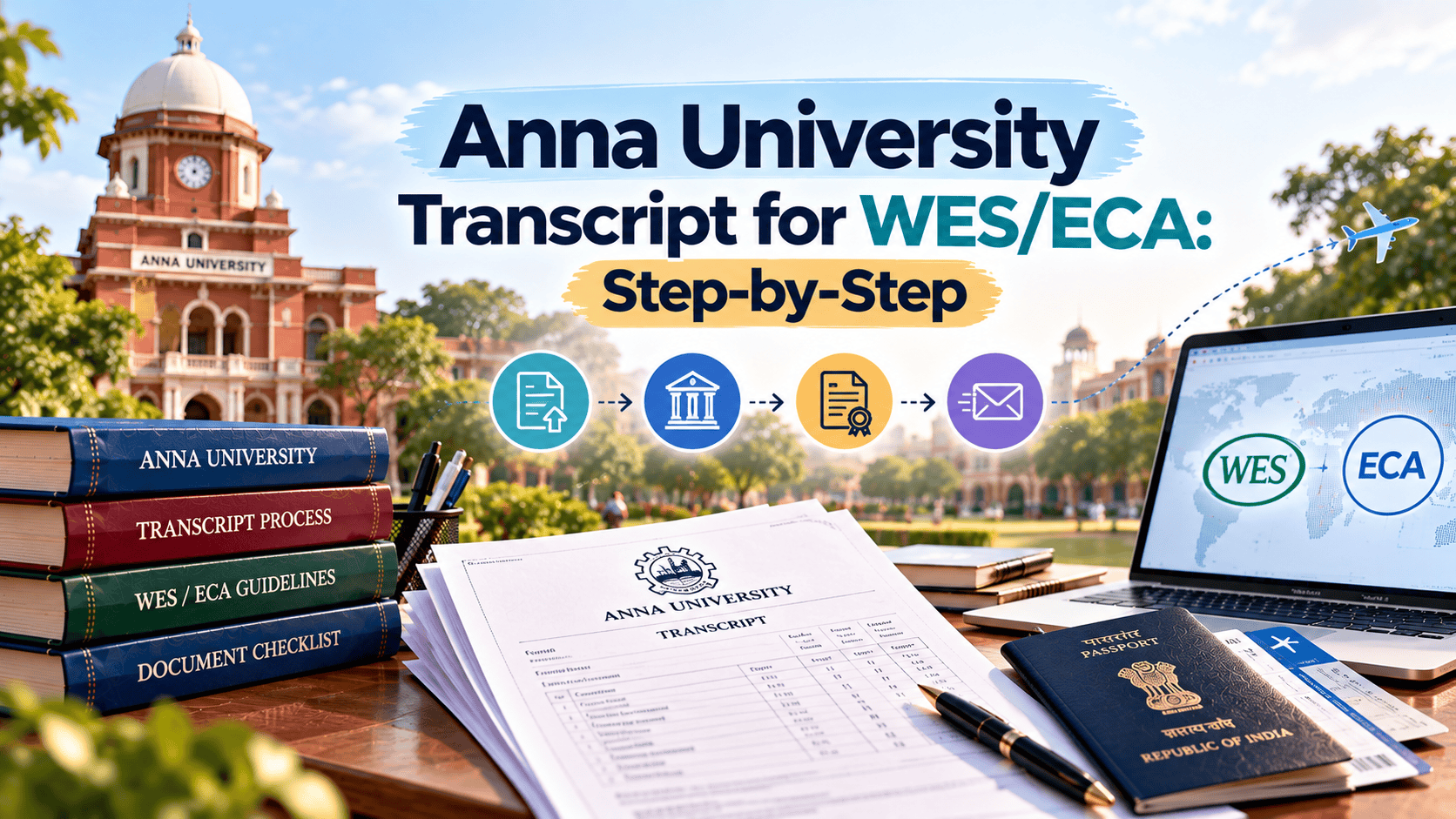
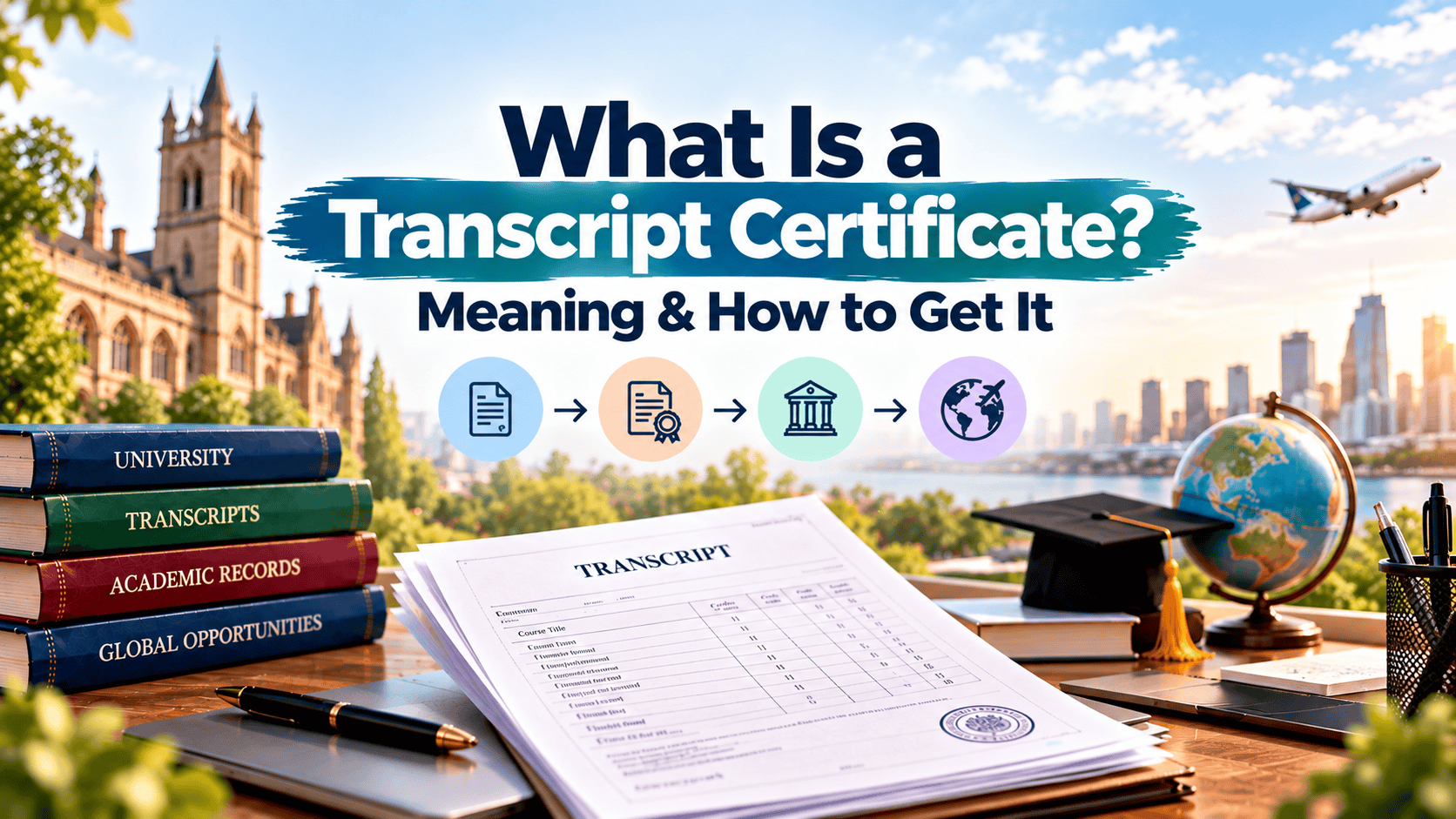
General profiles are still considered. But targeted draws mean your occupation matters more than ever. This is where documents like your Academic Transcript and University Transcript become critical. Not optional. Not “later.” Critical. Your official transcripts act as Proof of Education. Without verified and official records, your profile can stall before it even moves.
Provincial Nominee Programs Are Gaining Power
PNPs are no longer the “backup option.” They’re front and centre, from 2026 to 2028, provinces will have more control over who they invite. That means:
- More occupation-specific invitations
- More demand for region-based skills
- Faster pathways for candidates already working in the province
For Indian professionals, this is actually good news. Even if your CRS is average but your work profile matches a province’s needs, PNP could be your strongest route. But here’s the catch. PNPs are document-heavy. Any mismatch in education records, job titles, or timelines can slow things down or end the application early.
Students and Graduates: PR is Still Possible
Canada still wants international students. But the approach is more cautious now. For 2026-2028, expect:
- Stricter scrutiny of education institutions
- More emphasis on post-study employability
- Clearer alignment between education and occupation
- Less tolerance for vague or unverified academic records
This is where many students lose time. Not because their degree isn’t valid, but because transcripts, mark sheets, or degree certificates weren’t issued or sent correctly.
Academic clarity is becoming a silent filter..
Family Sponsorship Continues, But With Caps
Canada isn’t shutting the door on families. Spousal sponsorship, dependent children, and parents will continue under the 2026-2028 plan. But intake numbers will be managed carefully to balance housing and healthcare capacity. If you’re sponsoring or being sponsored, document accuracy matters more than ever. Any mismatch in names, dates, or education records can delay processing. Again, official transcripts and verified educational records often come up during background checks.
In-Canada Candidates Get Priority
This is a major shift. Canada is openly favouring people already in the country on work permits, study permits, or temporary visas. Why? Because they’re already integrated. Already working. Already paying taxes, for Indian professionals planning ahead, this means:
- Temporary work routes can be strategic
- Education + work combinations still make sense
- Documentation must be clean from day one
Once you’re in Canada, fixing transcript issues becomes harder and slower. This is why using a reliable Transcript service provider before you move is often the smarter play.
Documentation Is No Longer a Side Task But a Deciding Factor
This is something most applicants underestimate. Immigration timelines don’t fail because someone wasn’t eligible. They fail because documents weren’t prepared, verified, or transmitted correctly.
Between 2026 and 2028, expect:
- More digital-only document acceptance
- Strict rules on how transcripts reach ECA bodies
- Zero tolerance for self-uploaded or unofficial academic records
- Longer delays if universities are slow or unresponsive
Your education documents are not just attachments anymore. They are part of a verification chain. One break in that chain, and your application stalls.
Common Challenges Indian Applicants Face
Some real-world issues that keep coming up:
- Universities are asking students to apply in person
- Long processing timelines
- Incorrect name spells, subject names or grades
- Sealed envelopes rejected due to non-mentioning of ECA reference number
- Universities refusing to send transcripts internationally
These aren’t rare cases. They’re common, that’s why many applicants now rely on professional Transcript service providers who understand both Indian university systems and Canadian Admissions Requirements.
How Worldwide Transcripts Fits Into This
If you’re planning for Canada between 2026 and 2028, preparation is everything. Worldwide Transcripts helps Indian students and professionals:
- Request transcript from Indian universities
- Obtain verified and official transcripts
- Send documents directly to Canadian authorities, WES, IQAS, or institutions
- Avoid delays caused by university process confusion
It’s not about shortcuts. It’s about doing it right the first time. When immigration timelines are tight, your documentation shouldn’t be the reason you fall behind.
A Step-By-Step Guide To Get Your Academic Transcript Through Worldwide Transcript:
With Worldwide Transcripts, get your academic transcripts in 5 simple steps
- Fill-in The Enquiry form on our website
- Get Personalised Quote
- Pay Online
- Get Live Updates on Our App
- WOW! Service Delivered
We guarantee smooth & hassle-free procurement of your University Transcripts and Educational documents.
Why Choose Worldwide Transcripts?
- 15+ Years of Countless Success
- Global Presence
- 850+ Networked Universities
- 18+ ECA Body in Affiliation
Author

Why Choose Worldwide Transcripts?
Conclusion
Canada’s 2026-2028 Immigration Plan isn’t bad news, it’s just more structured. If your education, work experience, and documents are in order, you’re still in a strong position. But casual planning won’t cut it anymore. Think early, Plan smart and get your Proof of Education and other authoritative documents like transcripts sorted.
Apply for an academic transcript or e-transcripts in India via Worldwide Transcripts before you actually need it. Because when Canada opens the door, they expect you to be ready. And in this new system, being ready makes all the difference.
Contact Details
Website: Worldwide Transcript
Address: E/141, 1st Floor, Sec-1, Avanti Vihar, Raipur, Chhattisgarh- 492001.
Phone No: +91 8817 353 627
Instagram | Linkedin | Youtube | X | Facebook